
Ohio’s winding backroads, the scenic Hocking Hills, and the river routes along the Ohio make the state a rewarding place to ride. But whether you’re a year-round commuter or a warm-weather weekend rider, Ohio motorcycle insurance is non-negotiable — and the right coverage protects you far beyond the state minimum.
Ohio Motorcycle Insurance Requirements: 2026
Ohio Revised Code § 4509.20 requires all registered motorcycles to carry minimum liability insurance. The current minimums are:
- $25,000 bodily injury per person
- $50,000 bodily injury per accident
- $25,000 property damage per accident
These are often abbreviated as 25/50/25. Riding without proof of insurance in Ohio is a first-degree misdemeanor, with penalties including fines, license suspension, and — after reinstatement — a mandatory SR-22 filing for three years. See our detailed post: Ohio motorcycle insurance requirements explained.
Why Ohio’s Minimum Coverage Isn’t Enough
The 25/50/25 minimums were last updated in 2013 and don’t reflect today’s medical or repair costs. A single serious injury accident in Ohio can generate $100,000–$500,000+ in medical bills. At the minimum, you’re personally liable for everything above $25,000 per person. Most experienced Ohio riders carry at least 100/300/100 — and many add an umbrella policy on top.
Equally important: the minimums cover zero damage to your own motorcycle. A full coverage policy adds collision and comprehensive to protect your investment.
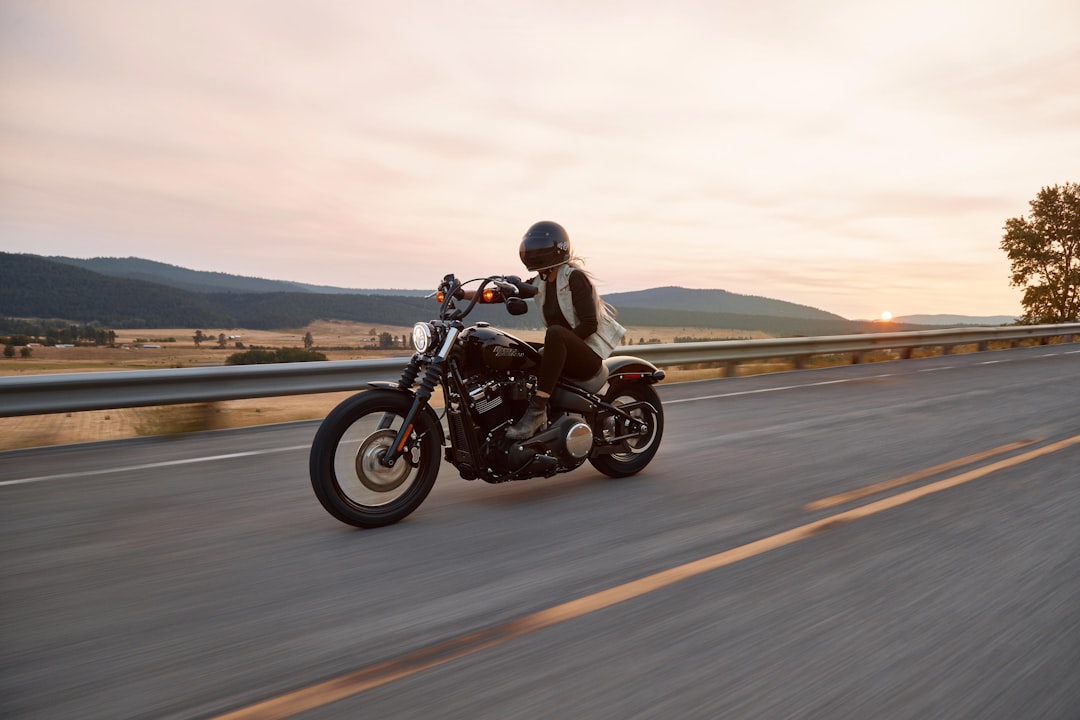
Ohio Motorcycle Insurance Coverage Types Explained
| Coverage | What It Pays | Required? |
|---|---|---|
| Liability — bodily injury | Others’ medical costs if you cause an accident | Yes (25/50 minimum) |
| Liability — property damage | Others’ vehicle/property repairs if you’re at fault | Yes ($25K minimum) |
| Collision | Your motorcycle after an accident, regardless of fault | No (recommended) |
| Comprehensive | Theft, fire, hail, flood, falling objects, animals | No (recommended) |
| Uninsured/underinsured motorist | Your injuries if hit by uninsured or underinsured driver | No (strongly recommended) |
| Medical payments (MedPay) | Your medical bills and passengers’, regardless of fault | No (fills health insurance gaps) |
| Roadside assistance | Towing and emergency service on the road | No |
| Custom equipment | Aftermarket parts, accessories, custom paint | No (if your bike has upgrades) |
Ohio Motorcycle Insurance Rates: What to Expect in 2026
Ohio motorcycle insurance costs vary widely depending on the bike, rider profile, and coverage level. Here are typical annual premiums for full coverage in Ohio:
| Bike Type | Liability Only | Full Coverage |
|---|---|---|
| Cruiser (Honda Shadow, Harley Sportster) | $100–$180/yr | $200–$450/yr |
| Standard / Naked (Kawasaki Z400, Yamaha MT-07) | $120–$220/yr | $280–$550/yr |
| Sport / Supersport (CBR600RR, GSXR-750) | $200–$400/yr | $500–$1,200/yr |
| Touring (Gold Wing, Road Glide) | $150–$280/yr | $350–$700/yr |
| Dual-sport / Adventure (Africa Twin, KTM 890) | $120–$220/yr | $300–$600/yr |

Factors That Affect Your Ohio Motorcycle Premium
- Rider age: Riders under 25 pay significantly more; those over 25 with clean records see the lowest rates
- Riding experience: Years licensed and any prior claims affect your rate
- Engine displacement: 600cc and above — especially sport bikes — carry higher premiums due to accident severity data
- Annual mileage: Seasonal riders who put on fewer miles may qualify for low-mileage discounts
- Storage location: A locked garage reduces theft risk vs. street parking
- MSF course completion: State Farm and most insurers offer 5–15% discounts for completing a Motorcycle Safety Foundation course
- Multi-policy bundling: Adding motorcycle coverage to an existing State Farm auto or home policy earns a multi-line discount
- Credit score: Ohio allows credit-based insurance scoring; good credit lowers your motorcycle premium
Seasonal Storage and Winter Layup in Ohio
Ohio winters typically sideline motorcycles from November through March. If you store your bike for the winter, consider adjusting your coverage:
- Keep comprehensive coverage active: Theft, fire, and weather events don’t take winters off. Comprehensive on a stored bike is typically $5–$15/month — worth it for a bike worth thousands.
- Suspend collision during storage: If the bike isn’t moving, collision risk is essentially zero. Suspending collision in storage months reduces your off-season premium significantly.
- Never drop liability to nothing: Ohio requires liability to be active as long as the bike is registered. If you want to skip winter premiums entirely, surrender your plates and cancel registration — then restore both in the spring.

Motorcycle Safety and Insurance Discounts in Ohio
Ohio participates in the national Motorcycle Safety Foundation (MSF) program, and the Ohio Motorcycle Safety Program (OMSP) offers subsidized Basic and Advanced Rider Courses at locations across the state. Benefits of completing a course:
- Insurance discount of 5–15% with most carriers including State Farm
- Waiver of the riding skills test at the Ohio BMV for new licensees
- Better accident avoidance skills — NHTSA data shows trained riders have significantly fewer crashes
Southern Ohio riders can find OMSP course locations at community colleges and training centers in the Portsmouth/Scioto County area. Jeff Smith’s office can confirm whether your completion certificate qualifies for a discount before you enroll.
Uninsured Motorist Coverage: Critical for Ohio Riders
Ohio has one of the higher rates of uninsured drivers in the Midwest — estimates put it at 12–14% of drivers. For motorcyclists, an uninsured driver hitting you is catastrophic: motorcycle injuries are typically severe, and if the at-fault driver has no insurance and no assets, without UM/UIM coverage you bear those medical costs yourself.
Uninsured/underinsured motorist coverage on an Ohio motorcycle policy is not required by law but is among the most important optional coverages available. State Farm’s UM/UIM coverage for motorcycles starts at a very modest premium and stacks with your auto UM/UIM if you bundle.

Get a Motorcycle Insurance Quote in Portsmouth, Ohio
Jeff D. Smith’s State Farm office at 1627 11th St, Portsmouth, OH 45662 serves motorcycle riders throughout Scioto County and Southern Ohio. Whether you ride year-round or season-to-season, Jeff can build a policy that matches your bike, your budget, and your riding habits.
Call (740) 354-7747 or visit the contact page for a motorcycle insurance quote. Bundle with your auto or homeowners policy for a multi-line discount.
Related reading: Ohio motorcycle insurance requirements | State Farm motorcycle insurance page | Bundling auto and home insurance in Ohio
Ohio’s motorcycle licensing and insurance requirements are set by the BMV — the Ohio Bureau of Motor Vehicles motorcycle insurance requirements page is the authoritative source for current minimums and documentation rules.
Choosing the Right Motorcycle Policy in Ohio
Not every motorcycle policy is the same — and Ohio’s roads demand coverage that goes beyond the bare minimum. Before you renew or start a new policy, take a few minutes to understand what you’re actually purchasing.
Evaluating Collision and Comprehensive Coverage
Collision coverage pays for repairs to your motorcycle after an accident, regardless of fault. Comprehensive covers non-collision events: theft, vandalism, weather damage, and wildlife strikes — a real risk on rural Ohio routes where deer crossings are frequent between September and January. If your bike is worth more than a few thousand dollars, dropping either coverage is rarely the right call.
Uninsured and Underinsured Motorist Protection
Ohio has a relatively high rate of uninsured drivers. Uninsured motorist (UM) coverage protects you if you’re hit by someone with no insurance; underinsured motorist (UIM) coverage kicks in when the at-fault driver’s policy limits aren’t enough to cover your medical bills and property damage. Both are worth carrying, especially for riders who spend time on state routes where enforcement is lower.
Medical Payments and Guest Passenger Liability
If you carry a passenger, make sure your policy includes guest passenger liability — it covers your passenger’s injuries if you’re at fault in an accident. Medical payments (MedPay) coverage handles your own medical expenses regardless of fault, filling gaps that health insurance may leave. Jeff can review your current policy to confirm these coverages are included.