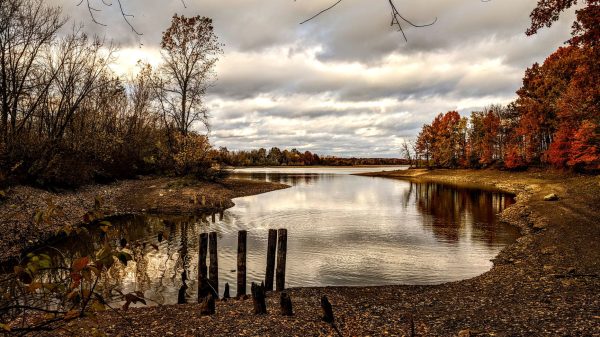
Flooding is the most common and costly natural disaster in the United States — and Ohio residents near rivers like the Ohio, Scioto, Hocking, and Muskingum face real flood risk. Ohio River Flood History: What Residents Need to Know explained.
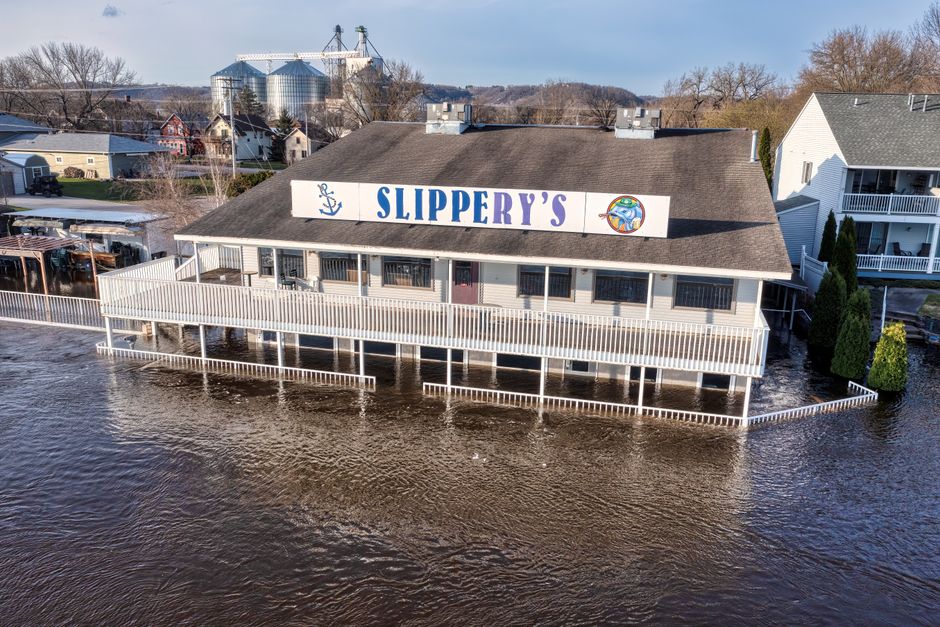
Does Standard Ohio Home Insurance Cover Flooding?
No. Standard homeowners and renters insurance policies explicitly exclude flood damage. Flood damage requires a separate policy through the National Flood Insurance Program (NFIP) or a private flood insurer.
Ohio Flood Risk Areas
- Ohio River corridor — Scioto, Lawrence, Gallia, Meigs counties
- Scioto River — flooding common through Portsmouth and Chillicothe
- Hocking River — significant flood history in Logan and Athens
- Muskingum River — flooding in Zanesville and surrounding areas
- Small streams and creeks — flash flooding common across rural Ohio

NFIP Flood Insurance Basics
- Available to property owners in NFIP-participating communities
- Maximum coverage: $250,000 for structure, $100,000 for contents
- 30-day waiting period (with exceptions) before coverage takes effect
- Rates based on FEMA flood zone designation and building elevation
- Ohio has over 800 NFIP-participating communities
NFIP Flood Insurance Average Costs in Ohio
| Zone | Risk Level | Est. Annual Premium |
|---|---|---|
| Zone X | Minimal | $400–$700 |
| Zone AE | High (100-year floodplain) | $800–$2,000 |
| Zone VE | Coastal high velocity | $1,500–$4,000+ |
Get a Free Quote Today
Jeff Smith State Farm can help you understand Ohio flood risk and connect you with flood insurance options to protect your home and belongings. Call (740) 354-7747 or contact Jeff Smith online for a no-obligation insurance review.
Major Ohio River Flood Events and Their Impacts
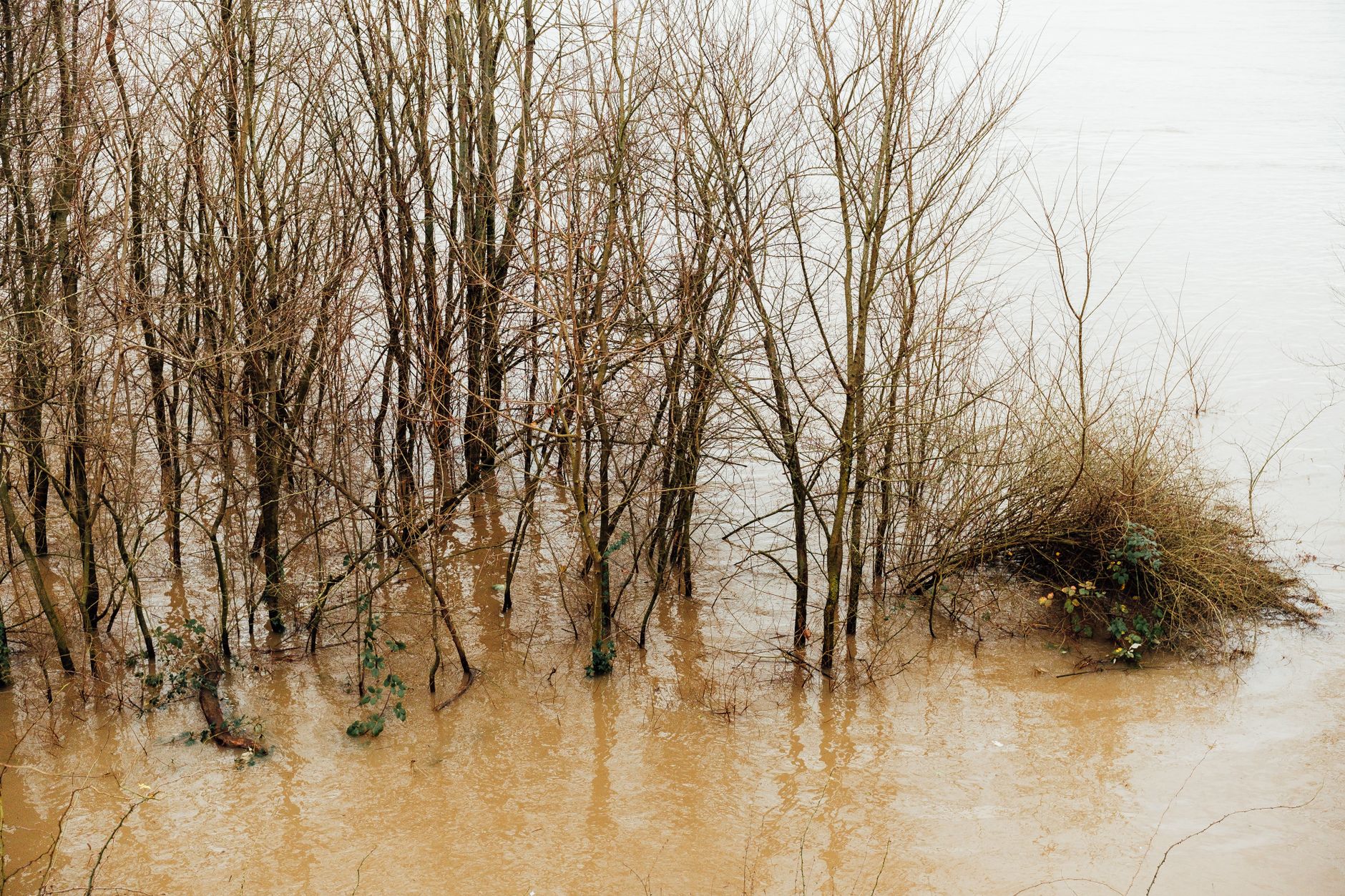
The Ohio River has a documented history of catastrophic flooding that stretches back centuries. The Great Ohio River Flood of 1937 remains the most significant on record — floodwaters reached 80 feet at Cincinnati, inundating entire neighborhoods in Portsmouth, Ironton, Huntington, and communities across the tri-state area. Thousands of homes were destroyed, hundreds of thousands of residents were displaced, and the economic damage was staggering by any measure.
More recent events — including notable floods in 1997, 2004, 2018, and several high-water events in the 2020s — demonstrate that the Ohio River remains an active flood threat. Climate patterns that produce heavy rainfall in the upper watershed during winter and spring months can drive rapid water level rises of 20–30 feet over a matter of days, giving riverside residents limited time to respond.
How Flood History Affects Insurance Decisions Today
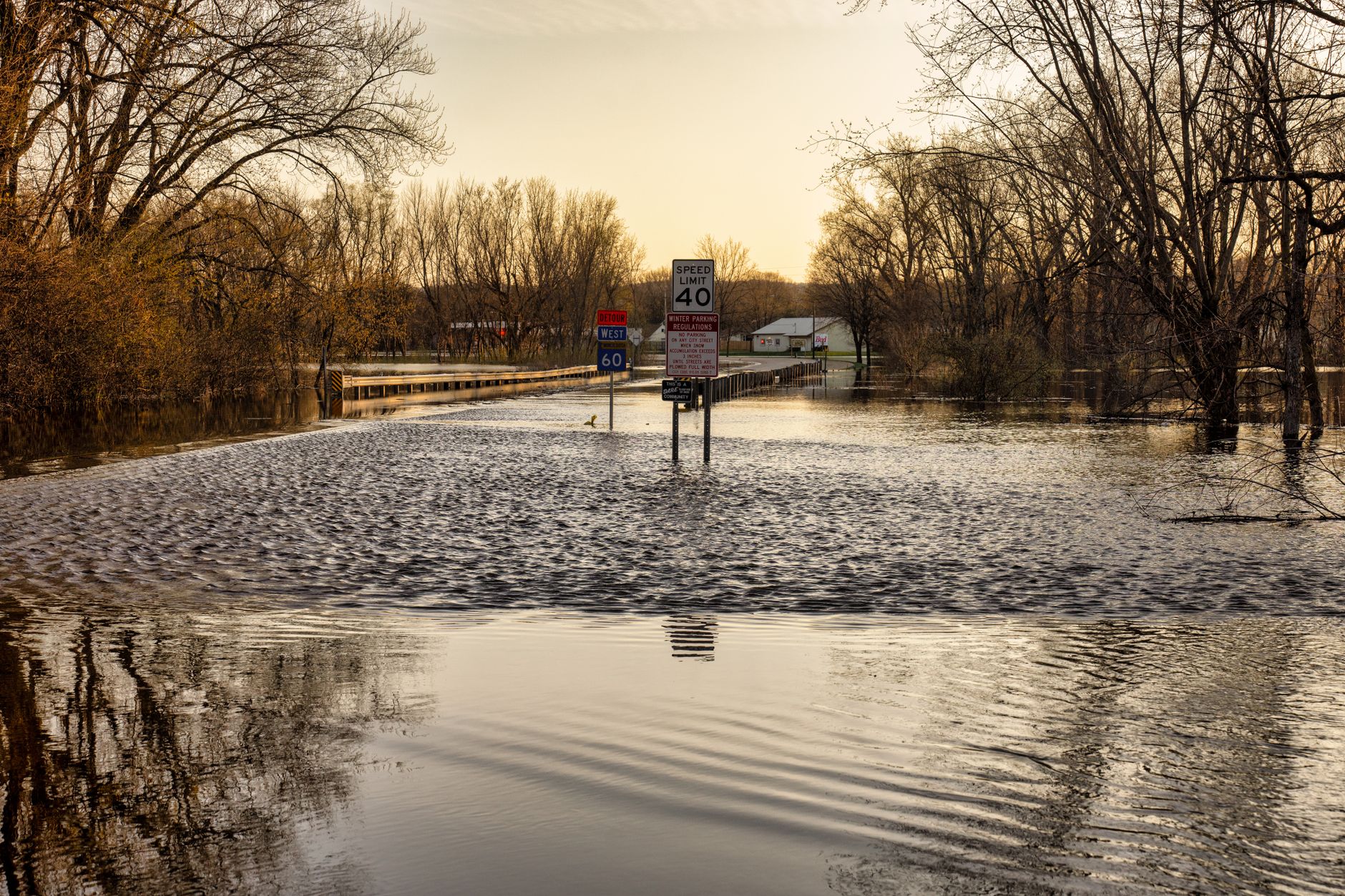
- Properties within the 100-year floodplain have federally mandated flood insurance requirements if they carry a federally backed mortgage
- Homes that have flooded historically carry higher premiums under NFIP Risk Rating 2.0
- Elevation above base flood elevation significantly affects NFIP premium calculation
- Repeated flood loss properties may face policy limitations or non-renewal
- Mitigation measures — elevation, floodproofing, sump pumps — can reduce future claims and premiums
Preparing Your Property Based on Ohio River Flood History
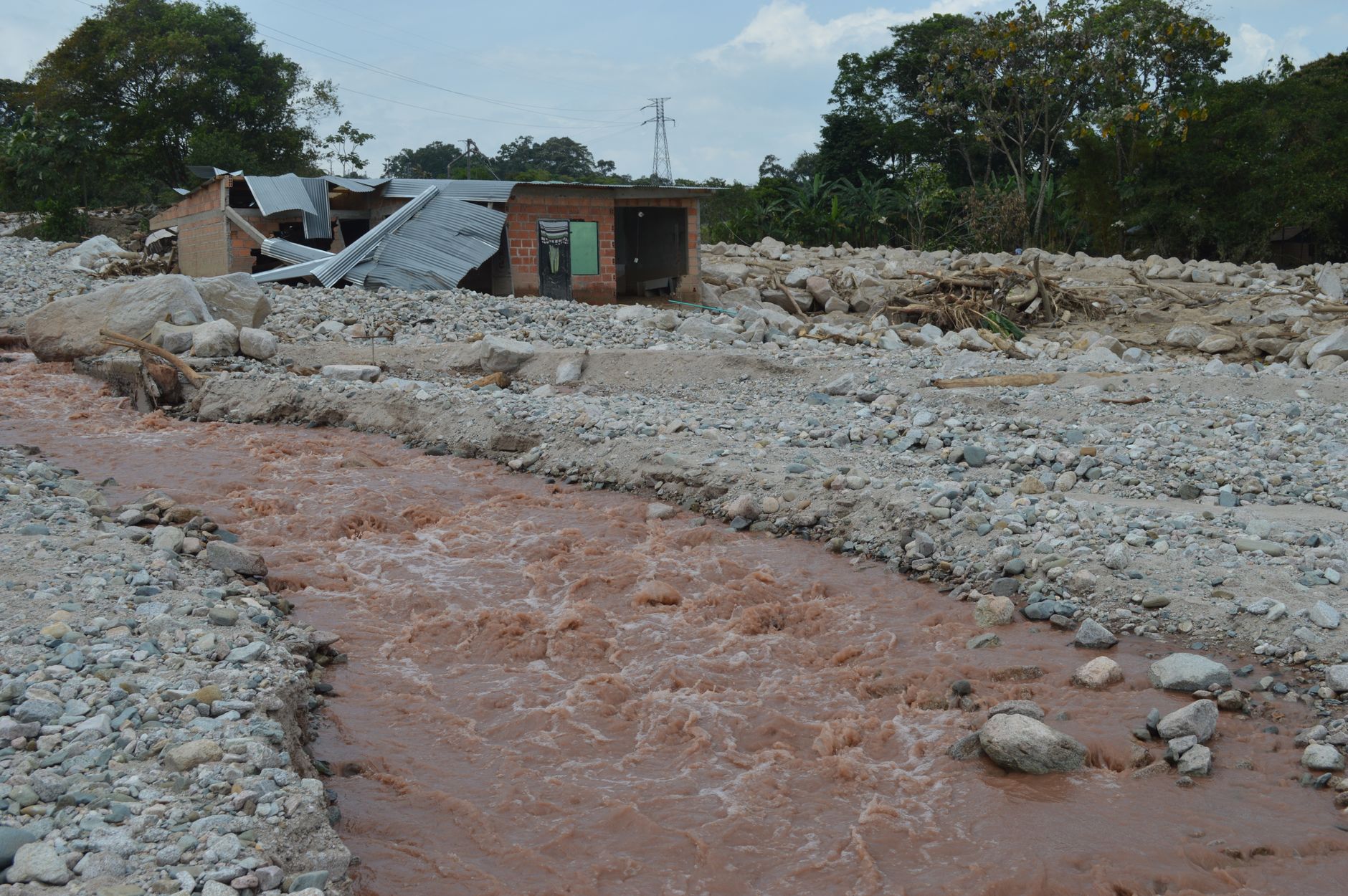
Understanding the historical flood record for your specific street or neighborhood provides critical context for insurance decisions. FEMA maintains Flood Insurance Rate Maps (FIRMs) that show which areas have flooded historically and are statistically likely to flood again. Reviewing your property’s location relative to the mapped floodplain before purchasing flood insurance helps you choose appropriate coverage limits.
Ohio River communities that have invested in flood mitigation infrastructure — levees, floodwalls, improved drainage — sometimes qualify for reduced NFIP premiums through FEMA’s Community Rating System. Portsmouth and other communities along the river have active floodplain management programs that can benefit local policyholders.
The FloodSmart.gov website provides a flood risk lookup tool where Ohio River residents can assess their specific property risk and explore coverage options.
Explore Ohio flood insurance coverage, learn about the complete NFIP guide for Ohio homeowners, and contact Jeff Smith for flood insurance help in southern Ohio.
Getting Ohio Flood Insurance Coverage Through Jeff Smith at State Farm
State Farm is a participating Write Your Own (WYO) carrier in the National Flood Insurance Program, which means Ohio homeowners can purchase NFIP-backed flood coverage through Jeff Smith’s Portsmouth office. Working with a local NFIP agent provides advantages over online flood insurance portals — you get personalized guidance on your specific flood zone, help interpreting your Elevation Certificate if you have one, and direct claims support when a flood event occurs.
Jeff Smith serves clients throughout Scioto County and the surrounding region — including communities in Lawrence, Gallia, Meigs, Pike, Ross, Athens, Hocking, Vinton, and Jackson counties. Southern Ohio’s network of river systems, including the Ohio, Scioto, Hocking, and their tributaries, creates flood risk for thousands of properties that benefit from NFIP coverage.
- NFIP flood insurance — federally backed, satisfies mandatory purchase requirements
- Building coverage up to $250,000 for the structure
- Contents coverage up to $100,000 for personal property
- Guidance on flood zone designation and Elevation Certificate interpretation
- Claims support after a flood event — direct access to your local agent
Talk to Jeff Smith About Ohio Flood Insurance
Ohio homeowners who want to understand their flood risk, verify their flood zone designation, or purchase NFIP flood insurance can contact Jeff Smith’s Portsmouth State Farm office directly. Jeff is a participating NFIP Write Your Own agent and can walk you through coverage options, waiting periods, Elevation Certificate considerations, and the annual cost of flood protection for your specific property.
Call (740) 354-7747 or use the contact form to reach Jeff Smith. You can also learn more about flood insurance in Ohio and homeowners insurance coverage through this site.