Ohio offers great riding, boating, and recreational opportunities — and the right insurance protects your investment and your liability. This guide covers seasonal motorcycle insurance in ohio.

Ohio Minimum Requirements
Ohio requires motorcycle operators to carry minimum liability coverage of 25/50/25. Most riders benefit from additional coverage including collision, comprehensive, and medical payments.
Coverage Options
- Liability — covers damage/injury you cause to others
- Collision — repairs or replaces your vehicle after a crash
- Comprehensive — covers theft, vandalism, weather damage
- Medical payments — covers your injuries regardless of fault
- Uninsured motorist — protects you if the other party is uninsured
- Accessory coverage — custom parts, equipment add-ons
Ohio-Specific Tips
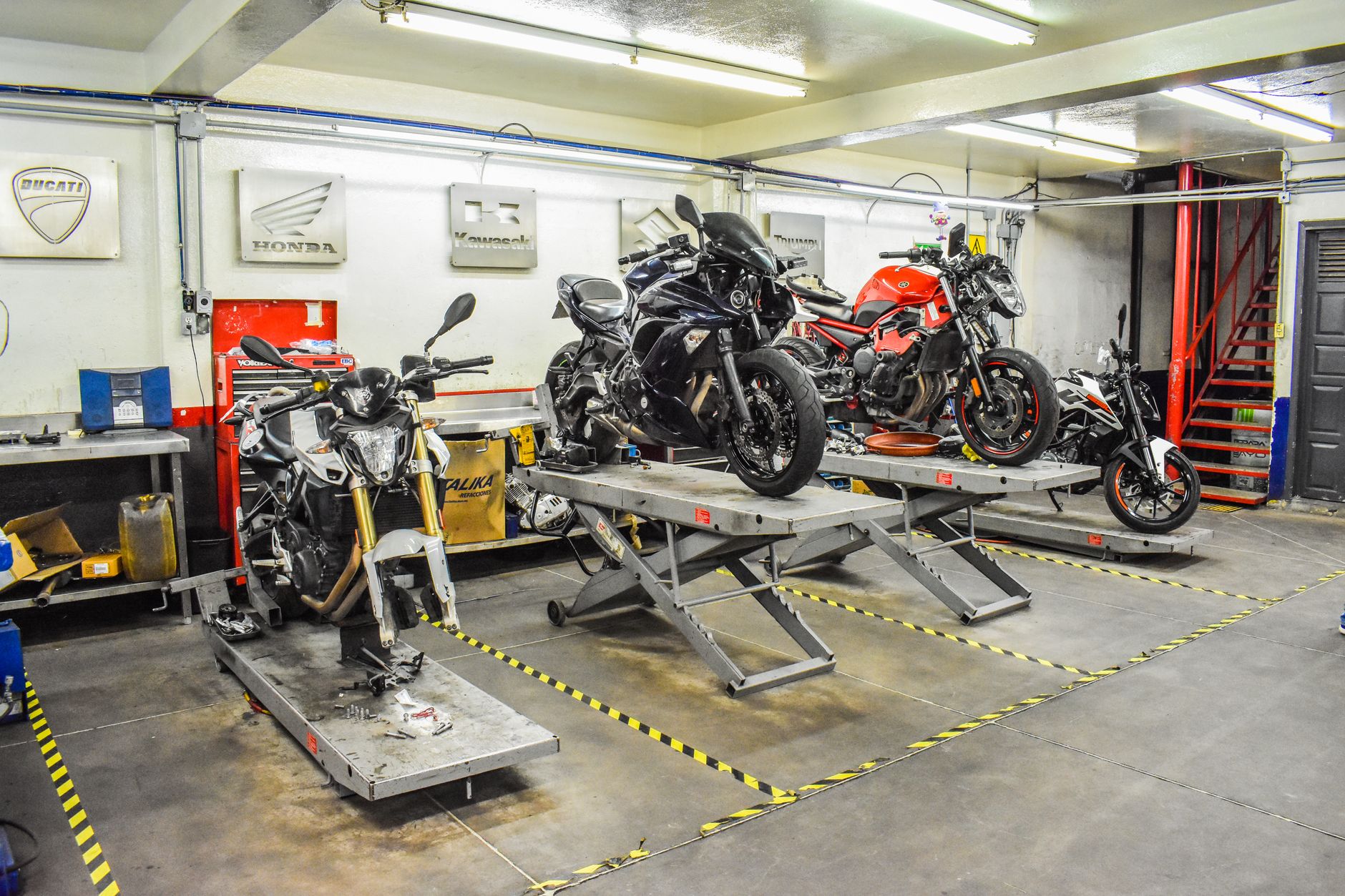
- Ohio riding season is typically April–October — consider lay-up coverage for winter
- Comprehensive coverage handles theft, which is common for motorcycles and watercraft
- Join a safety course for discounts — Ohio MSF-approved courses qualify with most insurers
- Dock or storage location affects boat insurance rates
Specialty Vehicle Insurance Cost Estimates (Ohio)
| Vehicle Type | Typical Annual Premium |
|---|---|
| Standard motorcycle | $300–$800 |
| Sport bike | $600–$1,500 |
| Cruiser/Harley | $400–$900 |
| Pontoon boat | $300–$600 |
| RV/Motor home | $1,000–$2,500 |
| Classic/Collector car | $200–$600 |
Get a Free Quote Today
Jeff Smith State Farm insures motorcycles, boats, RVs, and more across southern Ohio. Call (740) 354-7747 for a specialty vehicle quote. Call (740) 354-7747 or contact Jeff Smith online for a no-obligation insurance review.
Ohio’s Riding Season and What It Means for Your Coverage
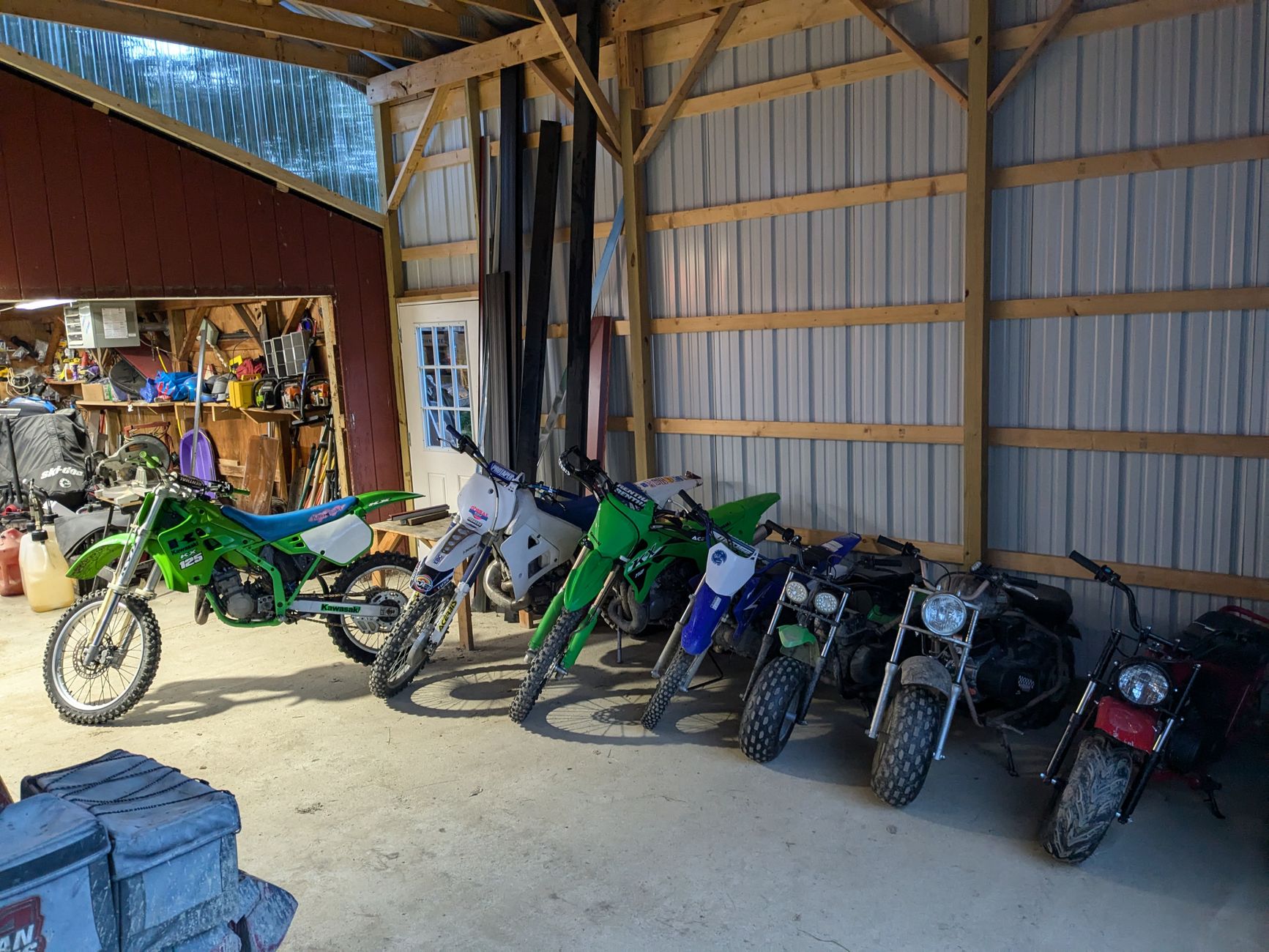
Ohio’s motorcycle riding season typically spans from April through October, with the peak months being May through September. During the off-season, many riders assume their motorcycle is fully covered under their standard policy, but coverage details vary. Understanding exactly what your policy covers — and when — is critical to avoiding a gap that could leave you paying out of pocket.
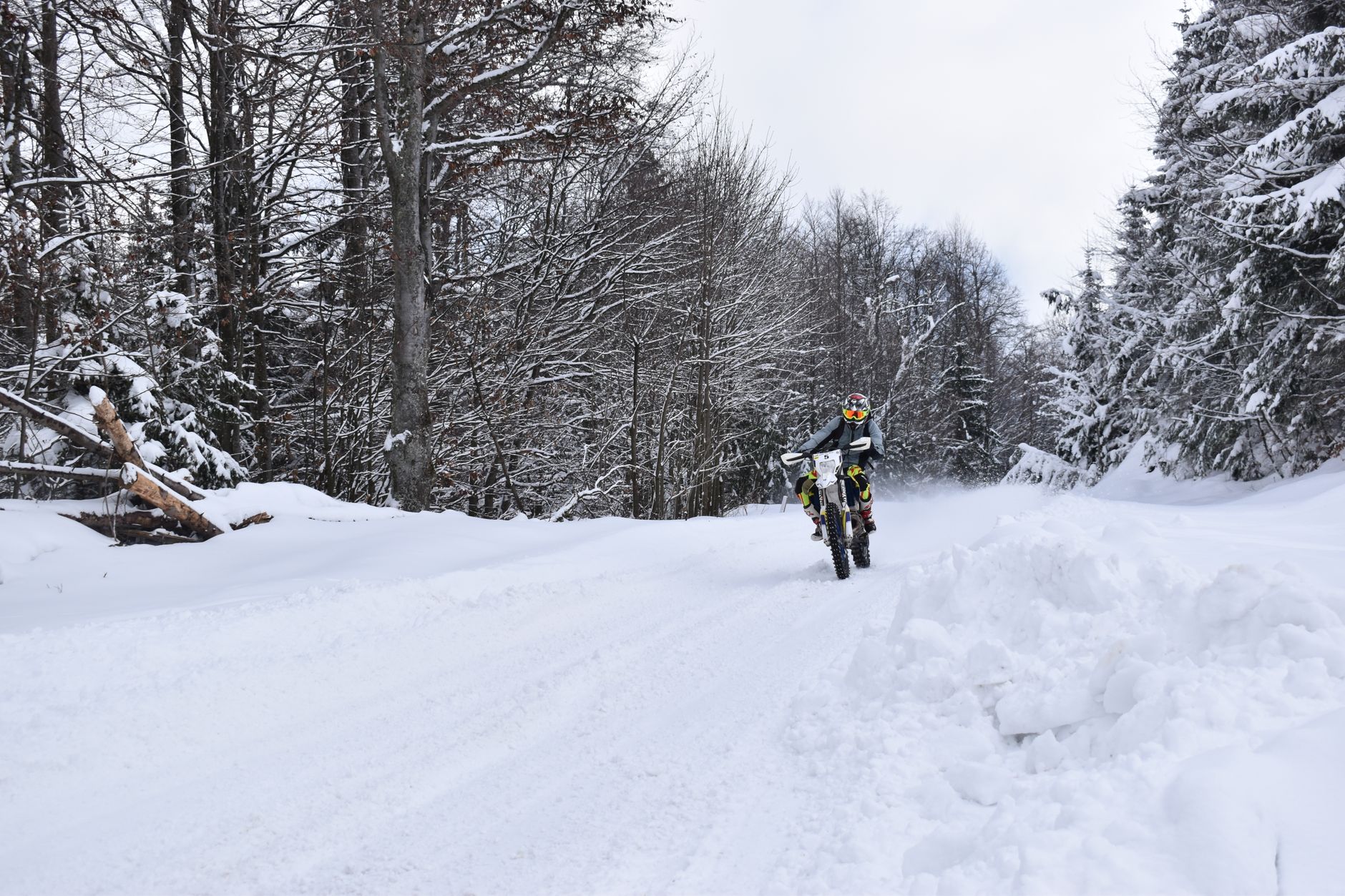
Most Ohio insurers offer some form of seasonal or lay-up coverage that modifies your policy during the months you are not riding. This typically means suspending liability and collision coverage (which require the bike to be in use) while keeping comprehensive coverage active to protect against theft, fire, vandalism, and weather damage during storage.
What Lay-Up Coverage Actually Includes and Excludes
- Comprehensive coverage remains active — covers theft, fire, flooding, and vandalism
- Liability and collision are suspended — you cannot legally ride during this period
- Uninsured motorist coverage is typically also suspended during lay-up
- If you ride during lay-up, your policy may not cover an accident
- The policy automatically reverts to full coverage on the restart date you select
The cost savings from seasonal coverage vary by insurer and policy but typically range from 20% to 35% of your annual premium. For a full-coverage policy costing $600 per year, switching to lay-up for five months could save $100–$200. The savings are real, but riders should carefully track their policy dates to avoid riding before coverage is fully reinstated.
Year-Round vs. Seasonal Coverage: Making the Right Choice
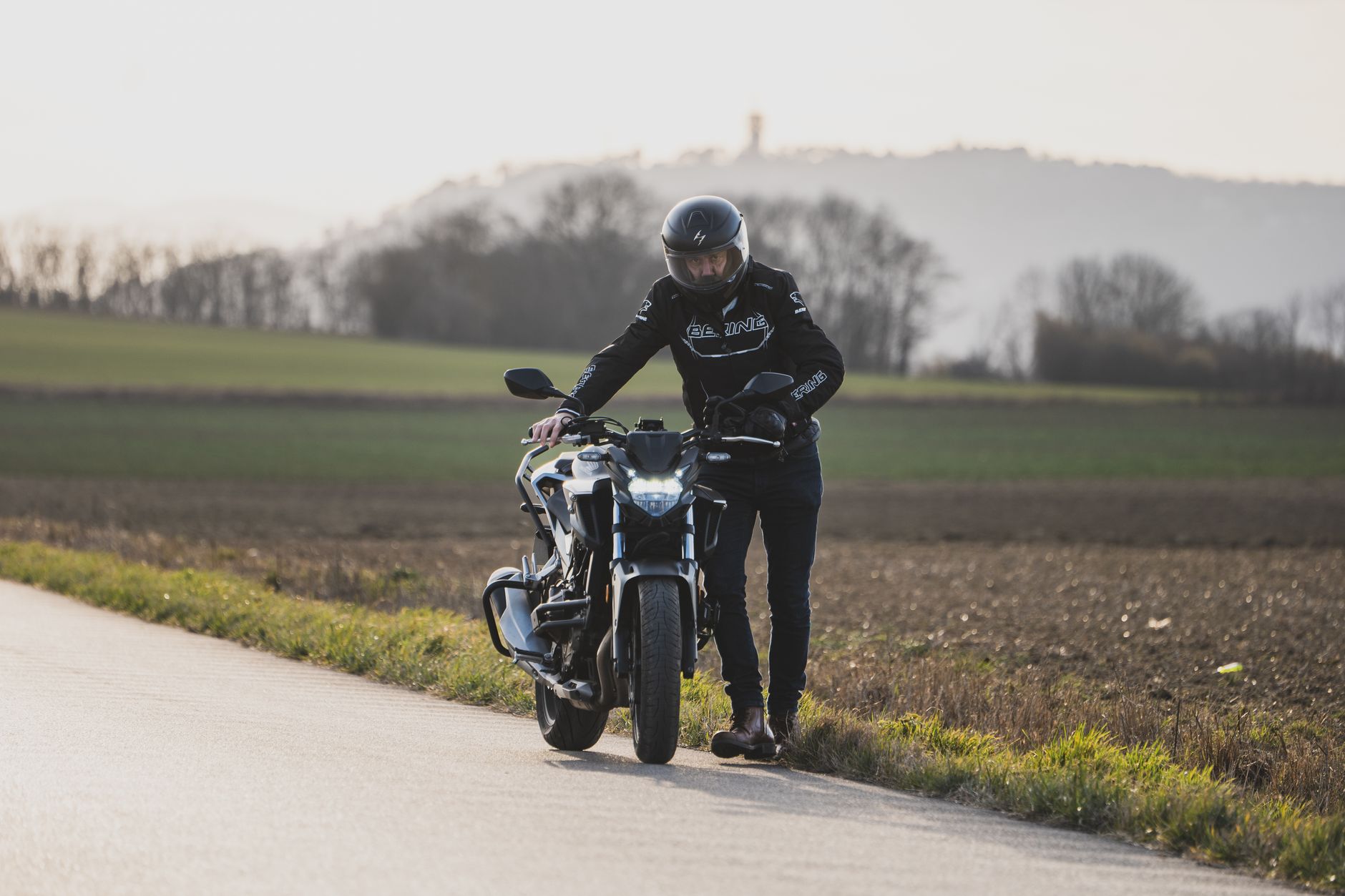
Not all Ohio riders should choose seasonal coverage. If you ride on mild winter days, live in a part of Ohio with milder winters, or use your motorcycle for occasional commuting, maintaining year-round coverage gives you the flexibility to ride whenever conditions allow without worrying about coverage status. Seasonal coverage makes the most sense for riders who reliably store their bikes from November through March.
Ohio’s Bureau of Motor Vehicles requires that any registered motorcycle on public roads be covered by at minimum the state minimum liability coverage — so if you plan to ride even occasionally in winter, you must maintain active liability coverage.
Explore Ohio motorcycle insurance coverage options, learn about what Ohio motorcycle insurance costs to expect, and contact Jeff Smith for help structuring the right seasonal coverage plan.
Ohio’s Riding Season and What It Means for Your Coverage
Ohio’s motorcycle riding season typically spans from April through October, with the peak months being May through September. During the off-season, many riders assume their motorcycle is fully covered under their standard policy, but coverage details vary. Understanding exactly what your policy covers — and when — is critical to avoiding a gap that could leave you paying out of pocket.
Most Ohio insurers offer some form of seasonal or lay-up coverage that modifies your policy during the months you are not riding. This typically means suspending liability and collision coverage (which require the bike to be in use) while keeping comprehensive coverage active to protect against theft, fire, vandalism, and weather damage during storage.
What Lay-Up Coverage Actually Includes and Excludes
- Comprehensive coverage remains active — covers theft, fire, flooding, and vandalism
- Liability and collision are suspended — you cannot legally ride during this period
- Uninsured motorist coverage is typically also suspended during lay-up
- If you ride during lay-up, your policy may not cover an accident
- The policy automatically reverts to full coverage on the restart date you select
The cost savings from seasonal coverage vary by insurer and policy but typically range from 20% to 35% of your annual premium. For a full-coverage policy costing $600 per year, switching to lay-up for five months could save $100–$200. The savings are real, but riders should carefully track their policy dates to avoid riding before coverage is fully reinstated.
Year-Round vs. Seasonal Coverage: Making the Right Choice
Not all Ohio riders should choose seasonal coverage. If you ride on mild winter days, live in a part of Ohio with milder winters, or use your motorcycle for occasional commuting, maintaining year-round coverage gives you the flexibility to ride whenever conditions allow without worrying about coverage status. Seasonal coverage makes the most sense for riders who reliably store their bikes from November through March.
Ohio’s Bureau of Motor Vehicles requires that any registered motorcycle on public roads be covered by at minimum the state minimum liability coverage — so if you plan to ride even occasionally in winter, you must maintain active liability coverage.
Explore Ohio motorcycle insurance coverage options, learn about what Ohio motorcycle insurance costs to expect, and contact Jeff Smith for help structuring the right seasonal coverage plan.