
As an Amazon Associate, we earn from qualifying purchases. This doesn’t change our recommendations or the price you pay.
The best weather radio for your home depends on one question: do you need it to wake you up, or just to keep you informed once the power is out? Those are different jobs. A tone-alert radio with S.A.M.E. county coding sits on a nightstand and sounds an alarm when the National Weather Service issues a warning for your county. A hand crank emergency radio keeps you listening through a long outage, but many crank models only play NOAA broadcasts when you tune them in and won’t alert you on their own.
We compared five radios sold by the brand’s own store: a plug-in Midland alert radio, Midland’s crank radio with alert, a budget crank radio with an auto-alert claim, a big-battery crank radio with manual NOAA tuning only, and a pocket AA radio. For each, we report exactly what the listing says about alerts, power and phone charging.
Ready.gov’s basic emergency kit lists both a battery-powered or hand crank radio and a NOAA Weather Radio with tone alert, and many Ohio households will want one of each.
Our Top Weather Radio Picks at a Glance
| Product | Key features | Price | Action |
|---|---|---|---|
 Midland WR120BBest Overall Weather Alert Radio · Plug-in NOAA alert radio, S.A.M.E., AA backupBest for: Nightstand tornado and flood warnings by county |
|
$ | Buy Now →Check current price |
 Midland ER310Best Crank Radio With NOAA Alert · Crank/solar emergency radio, NOAA alert, AM/FMBest for: Evacuations and long outages with alerts |
|
$$ | Buy Now →Check current price |
 Raynic CR1009ProBest Budget Crank Radio With Auto-Alert · Crank/solar radio, AM/FM/SW/WB, auto-alertBest for: A low-cost radio that alerts in standby |
|
$ | Buy Now →Check current price |
 Leaton 10000mAh Crank RadioBest Big-Battery Crank Radio · Crank/solar radio, AM/FM/NOAA, manual tuningBest for: Phone top-ups and lighting through a long outage |
|
$ | Buy Now →Check current price |
 PRUNUS J-161Best Pocket AA Radio · Pocket AM/FM/NOAA radio, 2 AABest for: A tiny backup that runs on spare AA batteries |
|
$ | Buy Now →Check current price |
Price key: $ under $50 · $$ $50–$100 · $$$ $100–$175 · $$$$ $175+. Prices change often; check Amazon for today’s price.
1. Midland WR120B: Best Overall Weather Alert Radio
Midland’s WR120B is a tabletop NOAA Weather Alert Radio built to stay plugged in and quiet until it matters. It monitors NOAA Weather Radio, and when a warning is broadcast for an area you’ve programmed, it sounds an alert. Midland’s own product page calls it the most widely used NOAA Weather Alert Radio.
The key feature is S.A.M.E., or Specific Area Message Encoding. You enter the code for your county, and the radio alerts only for that area instead of every county the transmitter serves. The listing says you can program up to 25 counties, choose from over 60 kinds of weather hazards and emergencies, and read color-coded alert indicators that show the alert type and severity. An alert override switches the radio on automatically to warn of impending danger, and a continuous backlight option keeps the LCD lit.
Day to day, it runs on the included AC adapter, and Midland says three AA alkaline batteries (not included) keep it working during an outage. You can pick a high, medium or low alert tone. Midland’s FAQ notes that tornado and hurricane warnings are locked on and can’t be switched off. The specs list it at 2 x 5.3 x 6.1 inches and 1 pound, with a “1 Year Parts and Labor” warranty field.
It suits every home that needs a dependable overnight alarm for tornado, flash flood and severe storm warnings, especially bedrooms far from outdoor sirens.
Why we like it
- County-specific S.A.M.E. alerts
- Tornado warnings can’t be switched off
- Battery backup during outages
Watch out for
Buy AA batteries with it, since the backup batteries aren’t included, and remember it has no crank or phone charging.
Key Specifications
| Type | Plug-in NOAA alert radio, S.A.M.E., AA backup |
|---|---|
| Alerts | NOAA Weather Scan + Alert, S.A.M.E., 60+ hazard types |
| Counties | Up to 25 programmable |
| Power | AC adapter; 3 AA backup (not included), per Midland |
| Listed size / weight | 2 x 5.3 x 6.1 in / 1 lb |
| Size | 2 x 5.3 x 6.1 in |
| Listed weight | 1 pounds |
| Warranty | 1 Year Parts and Labor |
| Model | WR120B |
| Seller | Midland Radio |
| Best Sellers Rank | #550 overall; #2 in Weather Radios (Oct 2026) |
Why We Recommend It
County-level alerts are the reason the WR120B leads. Its listing describes “S.A.M.E localized programming” that will “alert you to over 60 kinds of weather hazards and emergencies,” lets you “receive weather alerts from up to 25 different counties,” and uses “color-coded alert indicators.” It is the only pick here that lists S.A.M.E.
Outside backing helps too. The NWS receiver page lists Midland among manufacturers approved to use the NOAA Weather Radio All Hazards logo, with the WR120 named. Midland’s page says three AA batteries (not included) keep it running in an outage and that tornado warnings stay locked on.
Midland Radio sells it, and the warranty field reads “1 Year Parts and Labor,” the most specific warranty wording here. The specs list 2 x 5.3 x 6.1 inches and 1 pound. Its rank, #550 overall and #2 in Weather Radios, is identical to the ER310’s, so it looks shared across Midland listings. A formats field reading “CD-ROM” is a listing quirk. There’s no crank, solar, light or phone charging, and the listing names no AM/FM band.
Every home that needs a reliable overnight warning should own one. Shoppers who need a radio for the go-bag should pair it with the ER310 or Raynic rather than rely on it alone.
Pros
- S.A.M.E. coding for up to 25 counties
- Alerts for over 60 hazard types, per the listing
- Midland is on the NWS list of NWR-logo manufacturers, with the WR120 named
- Warranty field: “1 Year Parts and Labor”
- Sold by Midland Radio
Cons
- No crank, solar or phone charging
- Backup needs 3 AA batteries, not included
- No AM/FM band mentioned in the listing
- Rank shown is shared with the Midland ER310 listing
Best for: Any household that wants a radio by the bed that sounds an alarm when the National Weather Service warns its county.
2. Midland ER310: Best Crank Radio With NOAA Alert
Midland’s ER310 is a portable emergency crank radio meant for the hours and days after a storm hits, when the power is out or you have to leave home. It plays AM and FM, receives NOAA Weather Radio and, according to Midland, sounds weather alerts when they are issued on your local channel. Its Amazon listing has no feature bullets, so the details here come from Midland’s own product page.
Power comes from several sources. Midland lists solar, a hand crank and a rechargeable 3,500 mAh lithium-ion battery that it says gives up to 45 hours of normal use, with six AA batteries as a backup option. The Cree LED flashlight is rated at 1,400 lux with low and high settings, and an SOS beacon flashes Morse code. Midland adds an ultrasonic dog whistle that it says may help search and rescue teams locate someone, plus a digital clock.
Midland’s FAQ is candid about limits. The USB output was designed for emergency-only charging and may not charge newer phones, because the radio won’t drain its own battery for them. The solar panel is meant to extend a full charge rather than revive a dead battery, so top it up by USB first. It only powers off fully when you remove the battery. The specs list it at 8 x 2.4 x 3.4 inches and 1 pound.
It suits families who want a go-bag or kitchen-counter radio for long outages and evacuations that still alerts them to NOAA warnings.
Why we like it
- Several power sources
- Bright flashlight with SOS
- NOAA alert on a portable radio
Watch out for
Don’t count on it as a phone charger, and charge it by USB before relying on the solar panel.
Key Specifications
| Type | Crank/solar emergency radio, NOAA alert, AM/FM |
|---|---|
| Alerts | NOAA Weather Radio with alert (Midland page) |
| Power | Solar, crank, 3,500 mAh Li-ion, 6 AA backup |
| Light | Cree LED flashlight, 1,400 lux, SOS beacon |
| Listed size / weight | 8 x 2.4 x 3.4 in / 1 lb (model ER310-MFN) |
| Size | 8 x 2.4 x 3.4 in |
| Listed weight | 1 pounds |
| Warranty | 1 Year Limited |
| Model | ER310-MFN |
| Seller | Midland Radio |
| Best Sellers Rank | #550 overall; #2 in Weather Radios (Oct 2026) |
Why We Recommend It
Portability with alerts is what the ER310 offers. Its Amazon listing has no feature bullets at all, so the evidence comes from Midland’s product page: “NOAA Weather Radio with Alert – Weather alerts sound when issued on local channel,” with solar, hand crank and a “3500 mAh rechargeable lithium-ion battery” giving “up to 45 hours of normal use,” plus a “6 ‘AA’ Battery Back-Up Power Option.”
For outages it adds a Cree LED flashlight rated at “1400 Lux,” an “SOS Flashlight Beacon” and an “Ultrasonic Dog Whistle.” Midland is frank in its FAQ: phone charging is emergency-only and may not work with newer phones, and the solar panel “isn’t intended to charge the battery from a low or discharged state.” No S.A.M.E. county coding is listed, unlike the WR120B.
Midland Radio sells it, and the warranty field reads “1 Year Limited.” The specs list 8 x 2.4 x 3.4 inches, the longest radio here, and 1 pound, with model ER310-MFN. The rank matches the WR120B exactly, which suggests a shared figure. It is the only pick in our second price tier.
Families who want one portable radio that alerts, lights the way and runs for days will get the most from it. Anyone who mainly wants phone charging should look at the Leaton.
Pros
- NOAA weather alert sounds when issued on your local channel, per Midland
- Solar, hand crank, 3,500 mAh battery and 6 AA backup
- Up to 45 hours of normal use, Midland says
- 1,400-lux LED flashlight with SOS beacon
- Warranty field: “1 Year Limited”; sold by Midland Radio
Cons
- Amazon listing has no feature bullets
- No S.A.M.E. county coding mentioned
- Midland says it may not charge newer phones
- Priciest pick here
Best for: A household that wants one portable radio for outages and evacuations that can still sound NOAA alerts.
3. Raynic CR1009Pro: Best Budget Crank Radio With Auto-Alert
Raynic’s CR1009Pro is a hand crank and solar emergency radio that adds something many budget crank radios skip: an automatic NOAA alert. Raynic says it auto-scans for emergency and weather alerts when the radio is on or in standby mode and alerts you if a warning is issued, so you don’t have to listen to the weather band all night.
It receives AM, FM, shortwave and the weather band through a large backlit LCD with digital tuning that shows the frequency and battery level. Power is the headline: Raynic lists six ways to charge, including the built-in rechargeable battery, an AC adapter, 5V USB input, the hand crank, the solar panel and three AAA batteries, which aren’t included. The title rates the battery at 5,000 mAh, or 18,500 mWh. The listing doesn’t make clear whether an AC adapter comes in the box.
For outages, there’s a 3W flashlight, a 2.5W reading lamp, a USB port for charging a phone and an SOS button that sets off a loud alarm with a flashing red light. A 3.5 mm headphone jack lets you listen quietly. Raynic lists it at 6.8 x 3.7 x 2.9 inches and 1.2 pounds with IPX3 water resistance; the specs field says 1 pound. The listing doesn’t mention S.A.M.E., so expect alerts for the whole transmitter area rather than your county alone.
It suits budget-minded households and apartment dwellers who want one radio for both outages and alerts, and campers who like having shortwave.
Why we like it
- Standby auto-alert claim
- Six ways to charge
- Headphone jack
Watch out for
Without S.A.M.E. it can’t filter alerts by county, and IPX3 means light splash protection only.
Key Specifications
| Type | Crank/solar radio, AM/FM/SW/WB, auto-alert |
|---|---|
| Bands | AM/FM/SW/WB with digital tuning |
| Alerts | Auto-scan NOAA alert in standby (listing) |
| Power | Built-in battery, AC adapter, 5V USB, crank, solar, 3 AAA (not included) |
| Listed size / weight | 6.8 x 3.7 x 2.9 in / 1.2 lb (bullet) |
| Size | 6.8 x 3.7 x 2.9 in |
| Listed weight | 1 pounds |
| Warranty | 1 Year Warranty |
| Model | CR1009Pro; made by Raynic Electronics |
| Seller | Raynic Electronic |
| Best Sellers Rank | #859 overall; #5 in Weather Radios (Oct 2026) |
Why We Recommend It
An alert claim at a budget price is the Raynic’s pitch. The listing says it “auto-scans for emergency and weather alerts when you turn the device on or in standby mode,” something the Leaton and PRUNUS don’t offer. It doesn’t mention S.A.M.E., so it can’t filter alerts by county the way the WR120B can.
Power options are the broadest here: “6-way charging options including a built-in rechargable backup battery, an AC adapter, DC 5V USB input, hand-crank, solar panel, and 3 AAA batteries (not included).” The title rates the battery at “5000mAh/18500mWh.” It adds a “3W flashlight and 2.5W reading lamp,” an SOS alarm with a red light, shortwave and a headphone jack.
Raynic Electronic sells it, and the warranty field reads “1 Year Warranty.” It ranks #859 overall and #5 in Weather Radios. The bullets say “only 1.2LB” at 6.8 x 3.7 x 2.9 inches, while the specs field says 1 pound. Water resistance is IPX3, lower than the Leaton’s IPX6. The listing doesn’t make clear whether the AC adapter is included.
Budget shoppers who want one radio for both alerts and outages should consider it. Anyone who wants county-specific alerts by the bed should choose the WR120B.
Pros
- Auto-scans for NOAA alerts when on or in standby, per the listing
- Six charging options, including crank, solar and 3 AAA
- 5,000 mAh/18,500 mWh battery (title)
- Headphone jack and shortwave band
- Warranty field: “1 Year Warranty”; sold by Raynic Electronic
Cons
- No S.A.M.E. county coding mentioned
- Only IPX3 water resistance
- Bullet says 1.2 lb; specs say 1 lb
- Unclear whether an AC adapter is in the box
Best for: A budget shopper who wants a crank radio that can also sound NOAA alerts while it sits in standby.
4. Leaton 10000mAh Crank Radio: Best Big-Battery Crank Radio
Leaton’s hand crank emergency radio puts its weight behind a large 10,000 mAh battery. It is designed to keep a radio, a flashlight and a phone going through a long outage, with USB-C, solar and a hand crank to refill it. Leaton is unusually upfront about what it doesn’t do, which makes it easy to judge.
The listing says plainly that this radio does not support S.A.M.E., automatic NOAA alerts or location-based alerts. To hear NOAA, you extend the antenna, select NOAA mode and slowly turn the tuning knob until you find the clearest local station. It also has no headphone jack and no shortwave band. In other words, it keeps you informed once you know a storm is coming, but it won’t wake you up.
Where it shines is power. Leaton says the 10,000 mAh rating refers to the internal cell, so expect about 1 to 1.5 charges of an iPhone 14 through the 5V/1A USB output. One minute of steady cranking gives about 15 to 20 minutes of listening, per the listing. There’s a three-mode flashlight with SOS, a 1.3W reading lamp and a compass, and an IPX6 rating for splashes only. Leaton advises recharging every three to six months in storage.
It suits households that already have a tone-alert radio and want a second radio for long outages, phone top-ups and lighting.
Why we like it
- Honest charging expectations
- Biggest battery among our picks
- Splash resistant
Watch out for
It will not alert you to warnings on its own, so pair it with a tone-alert radio for overnight protection.
Key Specifications
| Type | Crank/solar radio, AM/FM/NOAA, manual tuning |
|---|---|
| Bands | AM, FM, NOAA (manual tuning) |
| Battery | 10,000 mAh; USB output 5V/1A |
| Charging | USB-C, solar, hand crank |
| Listed size / weight | 6.2 x 2.5 x 3.9 in / 1.32 lb (specs); bullets say about 6.3 x 3.5 x 3.1 in, 1.1 lb |
| Size | 6.2 x 2.5 x 3.9 in |
| Listed weight | 1.32 pounds |
| Warranty | 1 year |
| Model | xsy-330; made by SHENZHEN XINSIYUAN ELECTRONIC TECHNOLOGY CO.,LTD |
| Seller | LeatonDirect |
| Best Sellers Rank | #753 overall; #4 in Weather Radios (Oct 2026) |
Why We Recommend It
Battery size defines the Leaton. A “built-in 10000mAh rechargeable battery” is the largest stated capacity among our picks, and Leaton sets realistic expectations: “Expect approximately 1–1.5 charges for an iPhone 14” through a “USB Output (5V/1A).”
Its listing is the most honest about limits: it “does NOT support SAME technology, automatic NOAA alerts, or location-based alerts,” and “NOAA reception requires manual tuning.” It also has “no headphone jack” and no shortwave. The Raynic and ER310 claim alerts; this one plainly doesn’t, so it can’t replace an alert radio.
LeatonDirect sells it, and the warranty field reads “1 year.” It ranks #4 in Weather Radios and #753 overall, the strongest rank after the shared Midland figure. The listed size and weight don’t agree: the specs say 6.2 x 2.5 x 3.9 inches and 1.32 pounds, while the bullets say about 6.3 x 3.5 x 3.1 inches and 1.1 pounds. The “IPX6” rating is for “splash resistance only.”
Households that already own an alert radio and want a second radio for long outages and phone top-ups should look here. Anyone wanting one radio that wakes them for warnings should pick the WR120B or Raynic.
Pros
- 10,000 mAh battery; about 1 to 1.5 iPhone 14 charges, per Leaton
- IPX6 splash resistance
- USB-C input, solar and crank
- #4 in Weather Radios, #753 overall
- Warranty field: “1 year”; sold by LeatonDirect
Cons
- No automatic NOAA alerts or S.A.M.E., the listing says
- Manual NOAA tuning required
- No headphone jack or shortwave
- Listed size and weight differ between bullets and specs
Best for: A household that wants a long-running radio, light and phone power bank for outages and already has a separate alert radio.
5. PRUNUS J-161: Best Pocket AA Radio
PRUNUS’s J-161 is a pocket-size AM, FM and NOAA weather radio that runs on two AA batteries. There’s no crank, no solar panel and no screen, just three controls: one for power and volume, one for tuning and one for band selection. PRUNUS pitches that simplicity as the point, and it’s easy to hand to anyone in the house.
It covers seven NOAA weather channels plus AM at 520 to 1710 kHz and FM at 87 to 108 MHz. The listing gives the weather band as “162.40-162.55kHz,” which looks like a typo for MHz, the range NOAA Weather Radio actually uses. PRUNUS says it delivers updates on severe weather even when the power fails or there is no internet, but the listing describes no alert function, so you’ll hear NOAA only when you tune it in.
Power is as simple as it gets. Two AA batteries run it, and PRUNUS suggests keeping spares at home. The listed size is 4.7 x 2.8 x 1.2 inches and 0.24 pounds without batteries, with a lanyard, a magnetic speaker that sounds through front and back holes, and a headphone jack. It can’t charge a phone or light a room.
It suits go-bags, glove boxes and older family members who want a no-fuss radio, and anyone who prefers swapping AA batteries to cranking.
Why we like it
- Very small and light
- Runs on common AA batteries
- Simple three-knob layout
Watch out for
It has no alert, light or phone charging, so treat it as a listening backup rather than a warning device.
Key Specifications
| Type | Pocket AM/FM/NOAA radio, 2 AA |
|---|---|
| Bands | AM 520–1710 kHz, FM 87–108 MHz, 7 NOAA channels |
| Power | 2 AA batteries |
| Controls | Power/volume, tuning, band |
| Listed size / weight | 4.7 x 2.8 x 1.2 in / 0.24 lb without batteries |
| Size | 2.8 x 1.2 x 4.7 in |
| Listed weight | 0.24 pounds |
| Warranty | 1 Year Seller |
| Model | J-161W |
| Seller | Prunus Store |
| Best Sellers Rank | #4,365 overall; #20 in Weather Radios (Oct 2026) |
Why We Recommend It
Simplicity is the J-161’s appeal. It “Runs on just 2 AA batteries” and has “Only 3 controls – one for power and volume, one for tuning and one for band selection.” At 0.24 pounds without batteries and 4.7 x 2.8 x 1.2 inches, it is the lightest and smallest radio here.
It covers “7 NOAA” channels plus AM and FM, but the listing describes no alert function, so it plays NOAA only when tuned in, like the Leaton. It writes the weather band as “162.40-162.55kHz,” a likely typo for MHz. There’s no crank, solar panel, light or phone charging, which every other portable pick here offers in some form.
Prunus Store sells it, and the warranty field reads “1 Year Seller.” It has the weakest rank of our picks at #20 in Weather Radios and #4,365 overall, and it is the least expensive radio here. It includes a lanyard and a headphone jack.
Go-bags, glove boxes and relatives who want a radio with no learning curve suit it well. Anyone who needs warnings or outage light should spend more on the Raynic, the ER310 or the WR120B.
Pros
- Lightest pick: 0.24 lb without batteries
- Runs on 2 AA batteries
- Seven NOAA weather channels plus AM/FM
- Three simple controls, no screen to learn
- Sold by Prunus Store; warranty field: “1 Year Seller”
Cons
- No alert function mentioned
- No crank, solar or phone charging
- Weather band typo on the listing (kHz for MHz)
- Weakest rank here: #20 in Weather Radios
Best for: Anyone who wants a cheap, simple radio that runs on AA batteries for a go-bag, a car or an older relative.
How We Chose the Best Weather Radios
We limited picks to radios in stock and sold by the brand’s own store, then compared what each listing says:
- Alerts: whether the radio sounds a NOAA alert on its own, and whether it supports S.A.M.E. county coding.
- Power: AC, rechargeable battery, crank, solar and replaceable-battery backup.
- Outage extras: flashlight, reading lamp, SOS signal and phone charging, with realistic expectations where the brand gives them.
- Bands: NOAA weather band plus AM, FM or shortwave.
- Seller, warranty and rank: the warranty field and Amazon sales rank, with empty or inconsistent listing fields flagged.
Only five radios in our candidate list were in stock from the maker’s own store, so this guide has five picks rather than padding it with third-party resellers.
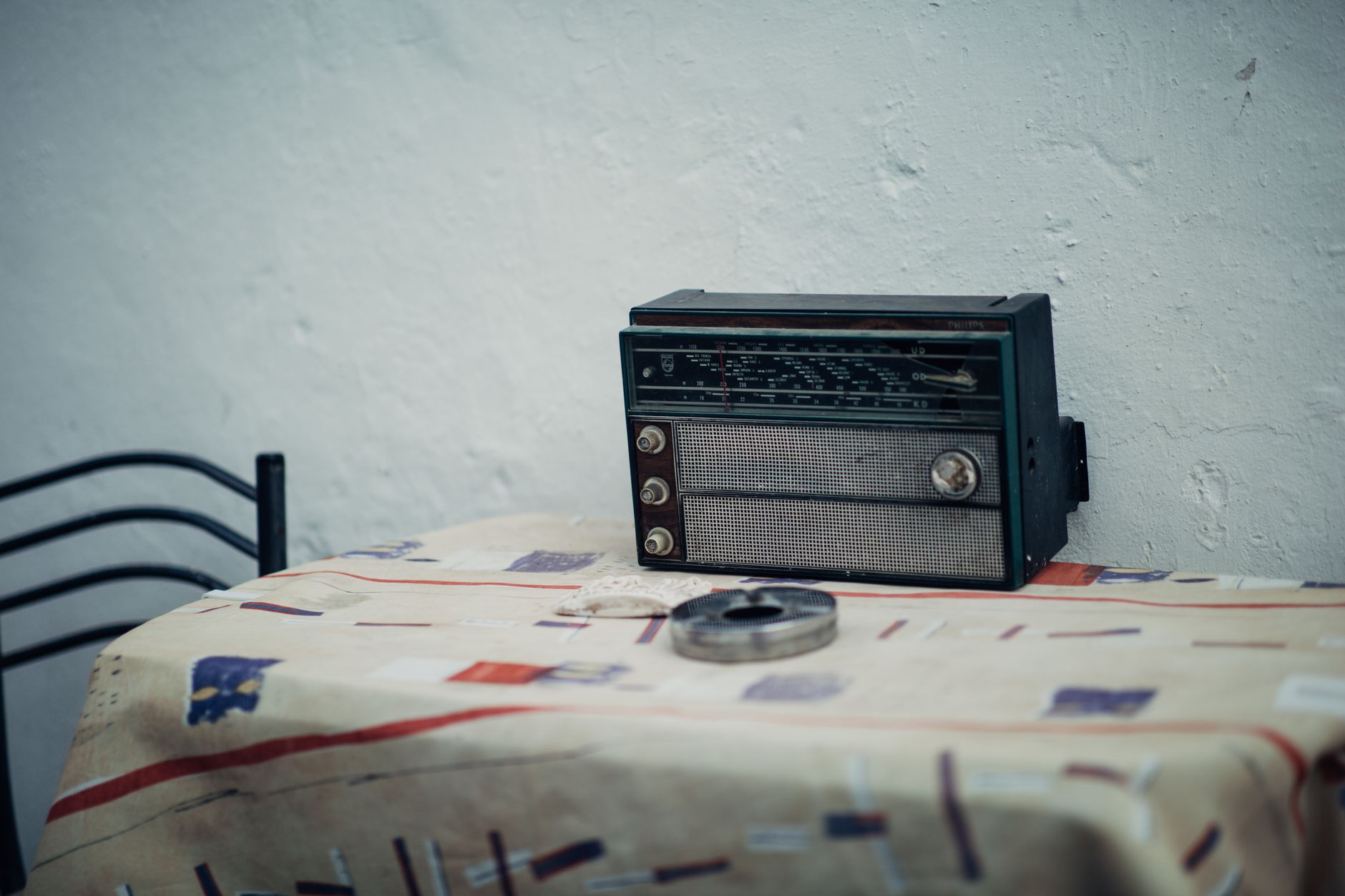
Alert Radio or Emergency Crank Radio?
NOAA Weather Radio All Hazards is a network of more than 1,000 transmitters that broadcasts National Weather Service warnings, watches and forecasts around the clock, along with other hazard information. The NWS notes that it needs a special receiver, because broadcasts sit on seven VHF frequencies an ordinary AM/FM radio can’t pick up.
The NWS receiver guide draws the line we use here. If you want to be alerted to warnings day or night, it says a standalone receiver might work best; if you just want to tune in and don’t care about alerts, a multi-band receiver might be better. It describes a 1050 Hz tone alarm that NWS sends before most warnings, which activates receivers equipped for it even with the audio off. The Midland WR120B is that kind of radio. The Raynic and Midland ER310 also claim alerts. The Leaton and PRUNUS only play NOAA broadcasts when you tune them in.
Weather Radio Buying Guide
Best NOAA Weather Radio: Look for S.A.M.E.
The NWS says S.A.M.E. (Specific Area Message Encoding) lets you choose the area you want alerts for, so the radio responds only to warnings for your county, which cuts down on false alarms for storms several counties away. Find your county’s code and transmitter frequency on the NWS county coverage listings, which note that reception typically extends about 40 miles from a transmitter on level terrain. Among our picks, only the Midland WR120B lists S.A.M.E.
Best Weather Alert Radio for the Bedroom
Overnight tornado warnings are the main reason to own an alert radio. Put it where you sleep, plug it in, and add the backup batteries. The NWS also recommends looking for receivers with the Public Alert or NOAA Weather Radio All Hazards logo, and its manufacturer list names Midland, including the WR120. Some receivers let you switch off alerts for events you don’t care about; Midland says tornado warnings stay locked on in the WR120.

Best Hand Crank Radio: Power Options and Battery Backup
Crank radios trade the plug for flexibility: a rechargeable battery, a hand crank, a solar panel and often a replaceable-battery backup. The NWS calls battery backup crucial because outages often happen during storms, but it recommends AC power for a radio that stays home to preserve battery life. Midland notes that solar panels on crank radios are meant to extend a charged battery, not revive a dead one, so charge it fully before storm season.
Best Emergency Radio for Phone Charging and Light
A big battery helps if you want to top up a phone. Leaton says its 10,000 mAh battery gives about 1 to 1.5 charges of an iPhone 14, while Midland says the ER310’s USB port is for emergency-only charging and may not charge newer phones. The Raynic, Leaton and ER310 all add a flashlight and an SOS signal; the WR120B and PRUNUS do not.

Best Emergency Weather Radio Setup for Ohio Storms
Severe weather in Ohio can mean a tornado warning, a flood or a winter storm that knocks out power for days, so one radio rarely covers everything. Ready.gov’s emergency kit checklist lists both a battery-powered or hand crank radio and a NOAA Weather Radio with tone alert, plus a flashlight, a first aid kit and extra batteries. A practical setup is an alert radio by the bed and a crank radio in the kit. Round it out with supplies from our best first aid kit guide.
Reception and Antennas
If a radio struggles to hold the signal, Midland’s troubleshooting advice is to try moving it to a better location. The NWS notes that while most receivers have an extendable whip antenna, some locations need an external antenna, and some radios have a jack for one. None of our listings mention an external antenna jack.
Floods, Outages and Your Coverage
A weather radio buys you time: to move to a safe room, to get valuables off a basement floor, or to check that your sump pump is running before heavy rain. If your basement takes on water in storms, see our best sump pump guide for battery-backup options. Flood damage and water backup are handled very differently from policy to policy, so read do I need flood insurance in Portsmouth, Ohio? and our Ohio homeowners insurance guide, then ask your agent what your own policy covers.

Frequently Asked Questions
What is the best weather radio for tornado warnings?
A tone-alert radio with S.A.M.E., such as the Midland WR120B, is built for this. You program your county, and it sounds an alarm when the National Weather Service issues a warning there, even overnight. Midland says tornado warnings can’t be switched off.
Do hand crank radios alert you automatically?
Not always. The Leaton listing says it has no automatic NOAA alerts and needs manual tuning, and the PRUNUS describes no alert. The Midland ER310 and Raynic CR1009Pro do claim alert functions, but neither lists S.A.M.E. county coding.
What is S.A.M.E. on a weather radio?
S.A.M.E., or Specific Area Message Encoding, lets you enter a code for your county so the radio alerts only for that area. The NWS publishes county codes and transmitter frequencies on its NOAA Weather Radio county coverage pages.
What is the best emergency radio for charging a phone?
Among our picks, the Leaton has the largest battery at 10,000 mAh, and Leaton estimates about 1 to 1.5 charges of an iPhone 14. Midland says the ER310 provides emergency-only charging that may not work with newer phones.
Do I need a NOAA weather radio if I get phone alerts?
Ready.gov’s emergency kit checklist includes a NOAA Weather Radio with tone alert as well as a cell phone with chargers and a backup battery. A radio doesn’t depend on cell service or a charged phone, which helps during long outages.
The Bottom Line
For most homes, the Midland WR120B is the best weather radio to buy first: S.A.M.E. county alerts, a loud tone alarm and battery backup by the bed. Add a crank radio for outages. The Midland ER310 brings alerts and a bright flashlight to a portable radio, the Raynic CR1009Pro claims standby alerts at a lower price, and the Leaton trades alerts for a big phone-charging battery. The PRUNUS J-161 is a pocket backup that runs on AA batteries. Whatever you choose, program it, test it and keep it charged.
Want to know how your policy handles storm, wind or flood damage before the next warning? Call Jeff Smith’s State Farm office at (740) 354-7747 or get a free coverage review.
Keep reading
More kitchen gear guides
- Magnets, Straps or Sliding Bars? Best Child Safety Locks for Cabinets, Drawers and Ovens

- Top of the Stairs or Bottom? Best Baby Gate for Stairs Picks, Sorted by Mount Type

- Feet on the Ground: The Best Roof Snow Rake by Reach, Blade Width and Rollers

- Grid Down, Lights Out: Best Flashlight for Emergencies, Headlamps and Lanterns

- Keep the Fridge and CPAP Running: Best Portable Power Station Picks, 245 Wh to 2 kWh
- Brace, Track Bar or Bolt-On Plate? The Best Door Security Bar for Hinged and Sliding Doors

- Guest Codes, Thumbprints and Matter: The Best Smart Lock for a Front Door Deadbolt

- Best Heat Tape for Water Pipes, Plus the Insulation and Fire Rules to Follow

- Best Gutter Guard Picks by Debris Type: Leaves, Pine Needles and Roof Grit